


What Is Skin pH and How Can You Keep It Naturally Balanced?
Skin pH plays a key role in hydration, comfort, and barrier health. Learn what skin pH is, why it matters, and how to keep it naturally balanced with gentle habits and care.
Have you ever wondered why your skin sometimes feels calm and glowing, and other times reactive or unusually dry, even when nothing seems to have changed?
Very often, the difference comes down to one factor that rarely gets the attention it deserves: balance. Beneath every healthy complexion lies a system of self-regulation that protects, hydrates, and keeps everything functioning in harmony.
Part of that system is skin pH. It sits in a naturally acidic range that supports the acid mantle, a fine protective layer made of moisture, natural oils, and beneficial microorganisms.
This guide will help you understand how skin pH works, why it matters, and how to support it through thoughtful habits and natural skin care.
What Exactly Is Skin pH?
Skin pH refers to how acidic the surface of your skin is, usually falling between 4.7 and 5.5. This slightly acidic environment is essential. At this range, enzymes function properly, moisture stays within the epidermis, and skin remains better protected from irritation and environmental stressors.
This acidity forms part of the acid mantle, a thin protective film made of natural oils, moisture, and beneficial microorganisms. The acid mantle supports a healthy microbiome, strengthens the skin barrier, and helps defend against harmful bacteria.
When this balance is maintained, skin stays smoother, calmer, and better able to retain hydration.
Why Maintaining a Balanced Skin pH Matters
When your skin remains within its ideal acidic range, the barrier stays intact and functions as it should. This means moisture is retained more effectively, sensitivity is reduced, and the skin is better equipped to defend itself against external stressors.
A balanced pH also helps keep the microbiome stable, which can reduce the likelihood of breakouts or redness linked to disruption or imbalance.
If the pH shifts too high or too low, the barrier weakens. Skin may begin to feel dry, irritated, or unusually reactive. Supporting pH balance promotes healthier hydration levels and smoother, stronger, more comfortable skin overall.
Signs Your Skin pH May Be Unbalanced
When the skin’s acidity shifts out of its ideal range, the changes are often noticeable. You may experience one symptom or several, and they can appear gradually or suddenly, depending on the trigger.
Common signs include:
- A tight or dry feeling after cleansing
- Persistent flakiness or rough texture
- Increased redness or sensitivity
- Breakouts or congestion that feel new or unusual
- Excess oiliness as the skin overcompensates
- Irritation from products that were previously comfortable
If you notice these patterns, it may be a signal that your acid mantle needs support and your routine may require gentler, more balanced care.
What Causes the Skin pH to Shift?
Your skin’s natural acidity is resilient, yet daily habits and environmental stress can gradually disrupt it. Some triggers are obvious, like overusing exfoliants, while others feel harmless but accumulate over time. When pH shifts, the acid mantle weakens, and the skin responds with dryness, sensitivity, or breakouts.
Some common disruptors include:
- Harsh cleansers containing strong surfactants
- Hot water used during cleansing
- Alcohol-based toners or astringents
- Pollution and environmental toxins
- Excessive sun exposure
- Over-exfoliation with acids or scrubs
- Sweat that remains on the skin for extended periods
- Essential oils used at improper concentrations
Choosing skincare formulated with gentle, pH-friendly ingredients can make a meaningful difference. Thoughtfully crafted natural skin care supports the skin rather than stripping or overwhelming it, helping the acid mantle maintain balance and function as intended.
How to Naturally Balance Your Skin pH
Supporting your skin’s natural acidity doesn’t require complex routines. It begins with gentle daily habits and thoughtful product choices that protect rather than overwhelm. When cleansing, hydrating, and moisturizing are done with care, the acid mantle can stay balanced and resilient.
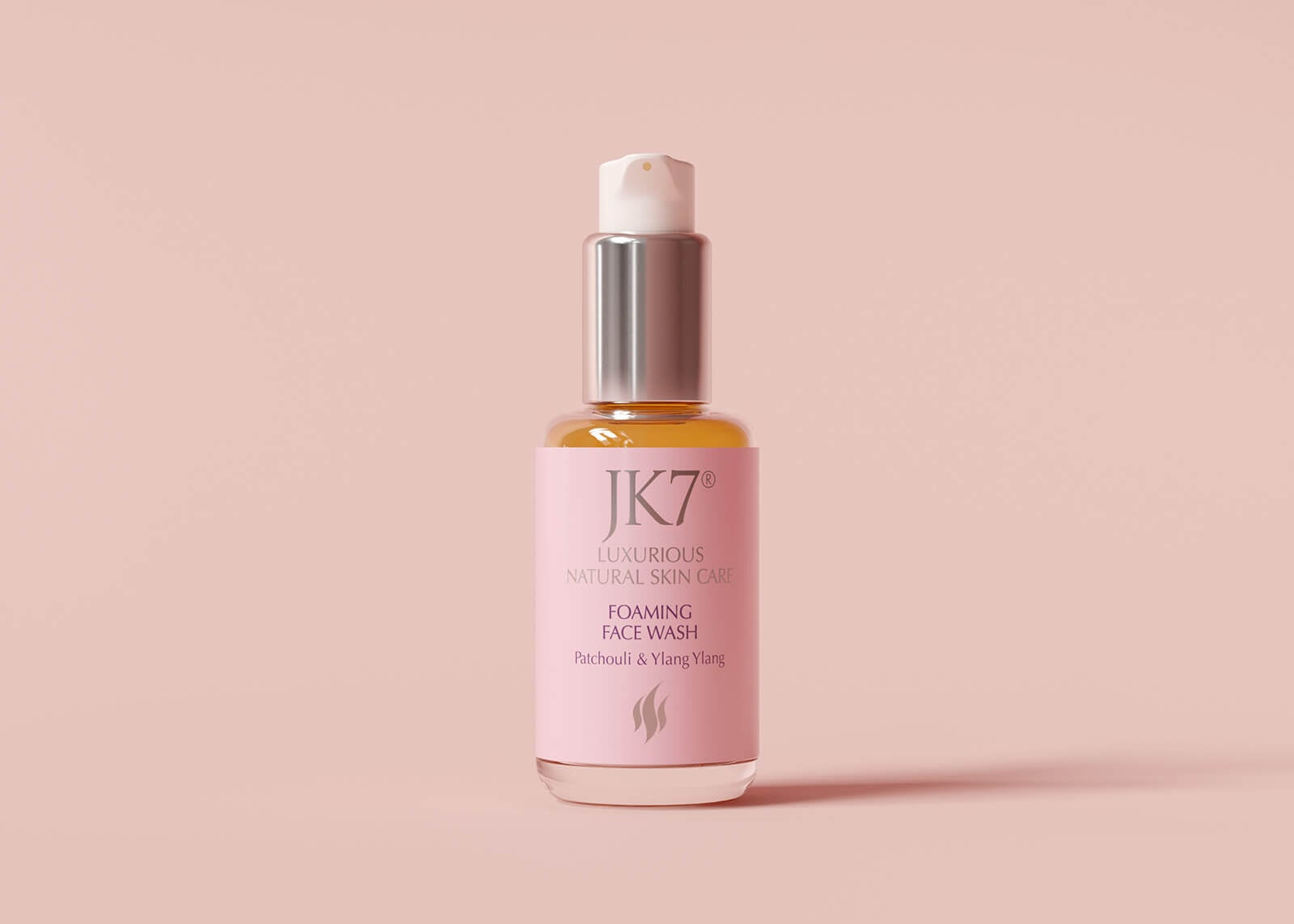
1. Use a pH-Balanced, Gentle Cleanser
Cleansers with a high pH can strip natural oils and disrupt the acid mantle, leaving skin tight or dry. A gentle, pH-balanced formula cleans without compromising the barrier.
The JK7® Foaming Face Wash uses botanical ingredients to refresh and purify while maintaining balance, making it an ideal foundation for a pH-supportive routine.

2. Incorporate Hydrating, Alcohol-Free Mists
After cleansing, a hydrating facial mist helps restore comfort and support the skin’s natural acidity. Sandalwood or Lemon and Lime can be a good choice, as they offer lightweight moisture and a soothing effect without disrupting the microbiome.
The JK7® Face Mists provide this step with pure botanical extracts and without alcohol, which can be drying.
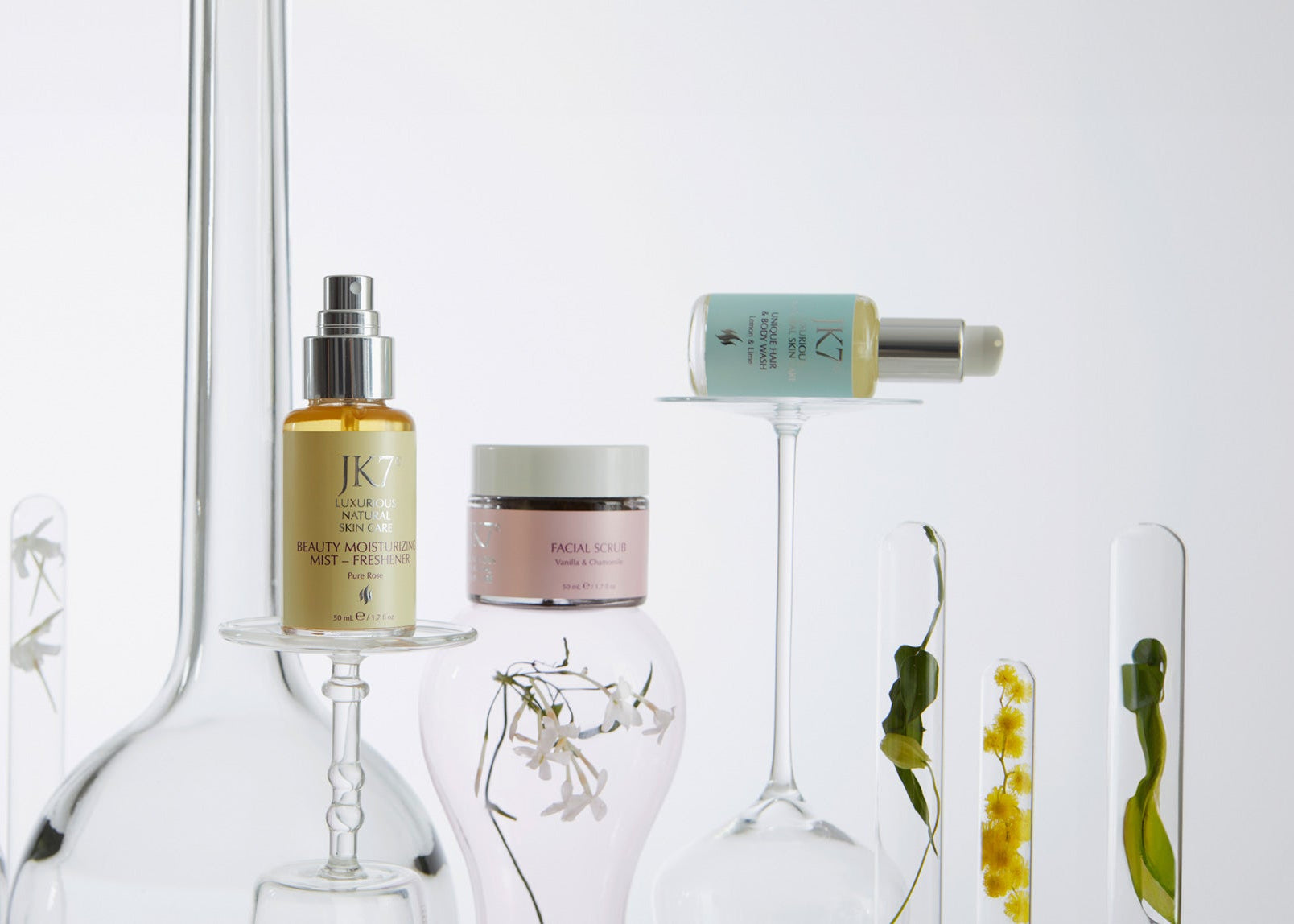
3. Choose Products With Naturally Balancing Ingredients
Certain natural skin care ingredients can soothe irritation, reinforce the barrier, and support hydration.
For example, chamomile and calendula calm sensitivity; kukui nut oil and jojoba nourish and replenish natural lipids; and silver ear mushroom offers deep, water-binding hydration.

4. Avoid Harsh or High-pH Products
Products containing alcohol, strong astringents, sulfates, or overly alkaline cleansers can compromise the skin’s protective layer and make balance harder to maintain.
If these are part of your routine, consider making a gradual transition to natural skin care or products that use gentle, scientifically proven botanical formulations.
Lifestyle Habits That Support a Balanced Skin pH
Your lifestyle and habits play a meaningful role in maintaining the skin’s natural acidity. Simple choices can either protect the acid mantle or slowly weaken it, so consistency matters just as much as the products you apply.
1. Use Lukewarm Water, Not Hot
Hot water can remove the natural oils that help keep the acid mantle balanced. Cleansing with lukewarm water supports hydration and helps the skin stay comfortable and calm.
2. Manage Stress and Sleep Quality
Stress influences cortisol levels, which can affect barrier strength and hydration. Prioritizing rest, mindful breathing, and consistent sleep supports the systems that help regulate skin function, including pH.
3. Protect Skin From Environmental Stressors
Sun exposure, environmental pollution, perspiration, and even air conditioning can influence the skin’s natural acidity. Mindful protection from external factors, combined with gentle, hydrating care throughout the day, helps maintain skin comfort and supports a balanced, resilient complexion.
4. Keep Your Routine Simple
Using too many active products or exfoliating too frequently can disrupt the acid mantle. A curated, pH-conscious approach works best. If you are refining your regimen, a well-structured natural skin care routine can help maintain clarity and stability without overwhelming the skin.
Elevate Your Routine With JK7® pH-Friendly Botanical Care
A balanced complexion begins with mindful cleansing and continues with thoughtful hydration and nourishment. With our JK7® Foaming Face Wash, you can support your skin’s natural acidity while removing impurities without stripping essential moisture.
For daytime care, a hydrating mist followed by the JK7® Day Face Lotion offers comfort, balance, and long-lasting moisture supported by high-performance natural ingredients.
Ready to refine your routine with pH-friendly products? Explore our most loved formulas within the JK7® Bestsellers Collection and experience how gentle, scientifically guided natural skincare can transform the way your skin feels and functions!
FAQ
The most supportive pH range for skin is slightly acidic, typically between 4.7 and 5.5.
Yes. Gentle habits and pH-balanced skincare are often enough to restore balance.
Not directly. Drinking water supports overall hydration, but skin pH is regulated at the surface.
Hydrating and alcohol-free toners or mists can help support an optimal pH after cleansing.
Yes. Your cleanser is one of the biggest influences on skin pH and barrier function.
Yes. Frequent or aggressive exfoliation can disrupt the acid mantle and make the skin more alkaline.
Some concentrated essential oils may irritate the skin if used improperly. They should always be part of a balanced, well-formulated product.
Persistent imbalance may contribute to dryness, flaking, breakouts, sensitivity, and premature fine lines.
Yes. A slightly acidic environment supports the barrier and may help reduce redness and irritation.
Yes. High-quality natural formulations that are gentle and well-balanced may help maintain harmony, while poorly formulated products may not. The key is thoughtful formulation rather than a single label.