


How to Choose the Right Natural Face Moisturizer for Your Skin?
Choosing the right natural face moisturizer can help support hydration, skin balance, and long-term skin health. Learn how to find the best texture and routine for your skin.
Most people choose a moisturizer the way they choose a candle. By scent, by packaging, by what looked appealing on the shelf. It works until it doesn't, and then the cycle starts over. The skin, though, is doing something far more specific than you might expect from a product so easy to overlook.
Moisturizers are designed to increase the skin's water content and restore its protective barrier function. This layer determines how well your skin holds hydration, manages sensitivity, and responds to everything it encounters through the day. Get that right, and everything else in your routine will perform better.
This guide covers how to read your skin's actual needs, what to look for in a natural formula, and how texture, ingredients, and layering all fit together.
Why Your Moisturizer Matters More Than You Think
Your skin loses water continuously. This is known as transepidermal water loss, or TEWL, and it happens all day as moisture from the skin's deeper layers gradually evaporates through to the surface.
A healthy skin barrier regulates how much is lost. When it starts to break down, whether from environmental exposure, harsh products, or the natural aging process, dryness, irritation, and inflammation are often among the first signs.
A well-formulated moisturizer works at the barrier level, not just on the surface. Three types of ingredients do this differently: occlusives slow evaporation, humectants draw water up from the skin's deeper layers, and emollients strengthen the barrier itself.
Most formulas combine more than one, and the ratio between them shapes how a product actually performs on skin. Lipid-rich formulas tend to have a stronger emollient effect, which is why a rich cream and a lightweight lotion can both provide hydration while producing noticeably different results.
What Makes a Natural Face Moisturizer Different
The term "natural" in skincare refers to where a formula's primary ingredients come from, not a single production method or certified standard. In a moisturizer, this generally means botanical oils, plant extracts, and mineral-derived compounds form the core of the formula rather than petroleum-based or fully synthetic alternatives.
What sets natural moisturizers apart is how much a single ingredient can do at once. A botanical oil can act as an emollient, deliver antioxidants, and interact with the skin's own lipids, all at the same time. That variability is exactly what makes composition worth paying attention to.
That said, how well any ingredient performs depends on concentration and how the formula is built around it. An extract listed near the bottom of an ingredient deck behaves very differently from one that anchors the formula's design.
How to Choose the Right Moisturizer for You
To choose the right moisturizer, you need to take into account how your skin behaves day to day, what you put on it before and after, and even where you live. Skin type, ingredient preference, and how a formula fits into your existing routine also matter.

Start With Your Skin Type and What It Needs
Knowing your skin type is a useful starting point. Dry skin tends to feel tight or look dull by midday and usually responds well to richer formulas. Oily skin produces more sebum and often does better with lighter ones that hydrate without adding weight.
Combination skin is drier along the cheeks and oilier through the center, while sensitive skin reacts easily to fragrance or certain actives and tends to prefer shorter ingredient lists.
Another thing worth keeping in mind is the fact that our skin changes with the seasons, with stress, and with age, so what works in one chapter of life or climate may not work in another. Let your skin tell you what it needs.
What to Look for in the Ingredients
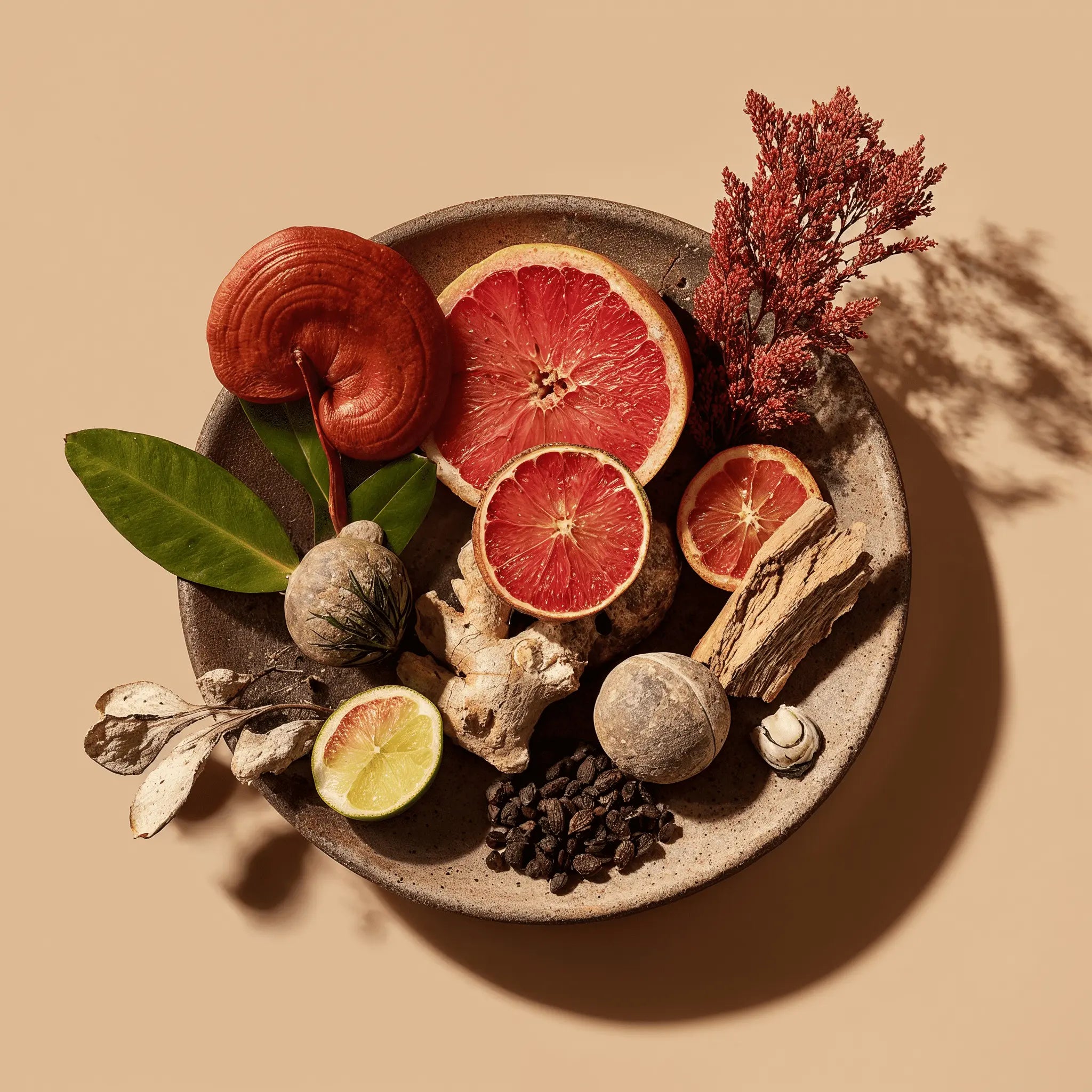
Ingredients appear on labels in descending order by concentration, so position matters. If you see botanical oils such as kukui nut, jojoba, or patchouli near the top of a formula, they are present in amounts that can meaningfully affect how the skin feels and functions.
You can also look at how the formula is constructed as a whole. A well-made moisturizer balances its active components with the supporting ingredients that give it stability, texture, and skin compatibility.
For a closer look at specific ingredients and what the research says about them, this guide to science-backed natural skincare ingredients covers the details.
Fit It Into Your Existing Routine
A moisturizer works best when it is treated as one part of a routine rather than a standalone step. It typically follows cleansing and any serums or treatment products, applied while the skin still has some residual moisture.
Face oils, if you use them, generally go on after, since they are occlusive by nature. Applied first, they form a surface seal that prevents the water-based ingredients in your moisturizer from reaching the skin properly
The relationship between a moisturizer and a serum is worth understanding properly, and the section on building a natural skincare routine goes into that in more detail. For now, the key point is that the two products do different jobs and are designed to work together, not compete.
Choosing the Right Moisturizer Texture for Your Skin
The texture of a moisturizer is also important, as there are different types of moisturizers on the market, from creams to lotions.

Lightweight Lotions for Everyday Wear
Lotions sit between gels and creams in texture, which makes them well-suited to daily wear, layering, and humid climates. For balanced or oily skin, a lighter formula provides hydration without adding weight or contributing to congestion.
A lighter moisturizer also absorbs more cleanly before makeup, keeping the skin surface smooth rather than slick.
The JK7® Rejuvenating Serum – Lotion sits in this category: a lightweight formula that combines the fluid texture of a lotion with concentrated botanical actives, making it a practical choice for daily hydration without the heaviness of a cream.
Richer Creams for Drier or Mature Skin
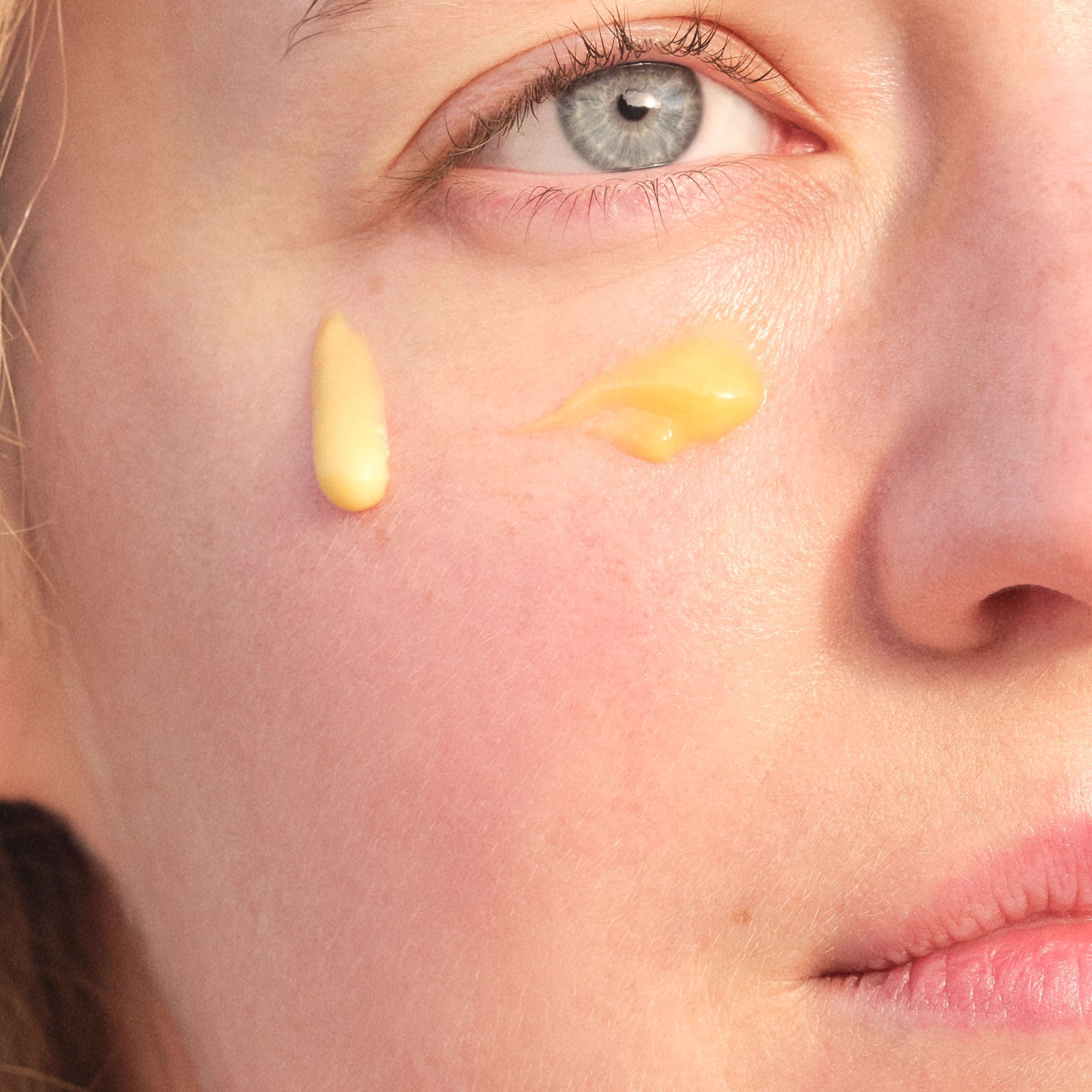
Creams offer a denser concentration of both water and oil, creating a thicker texture that holds moisture more effectively. Dry skin loses water more readily, and a richer formula compensates by providing a stronger occlusive layer at the surface.
Mature skin often benefits from similar reasons. Sebum production slows with age, and a cream helps make up for what the skin is no longer generating on its own. Cold weather, air conditioning, and other environmental stressors that compromise the barrier can also shift even normally balanced skin toward needing something heavier, at least seasonally.
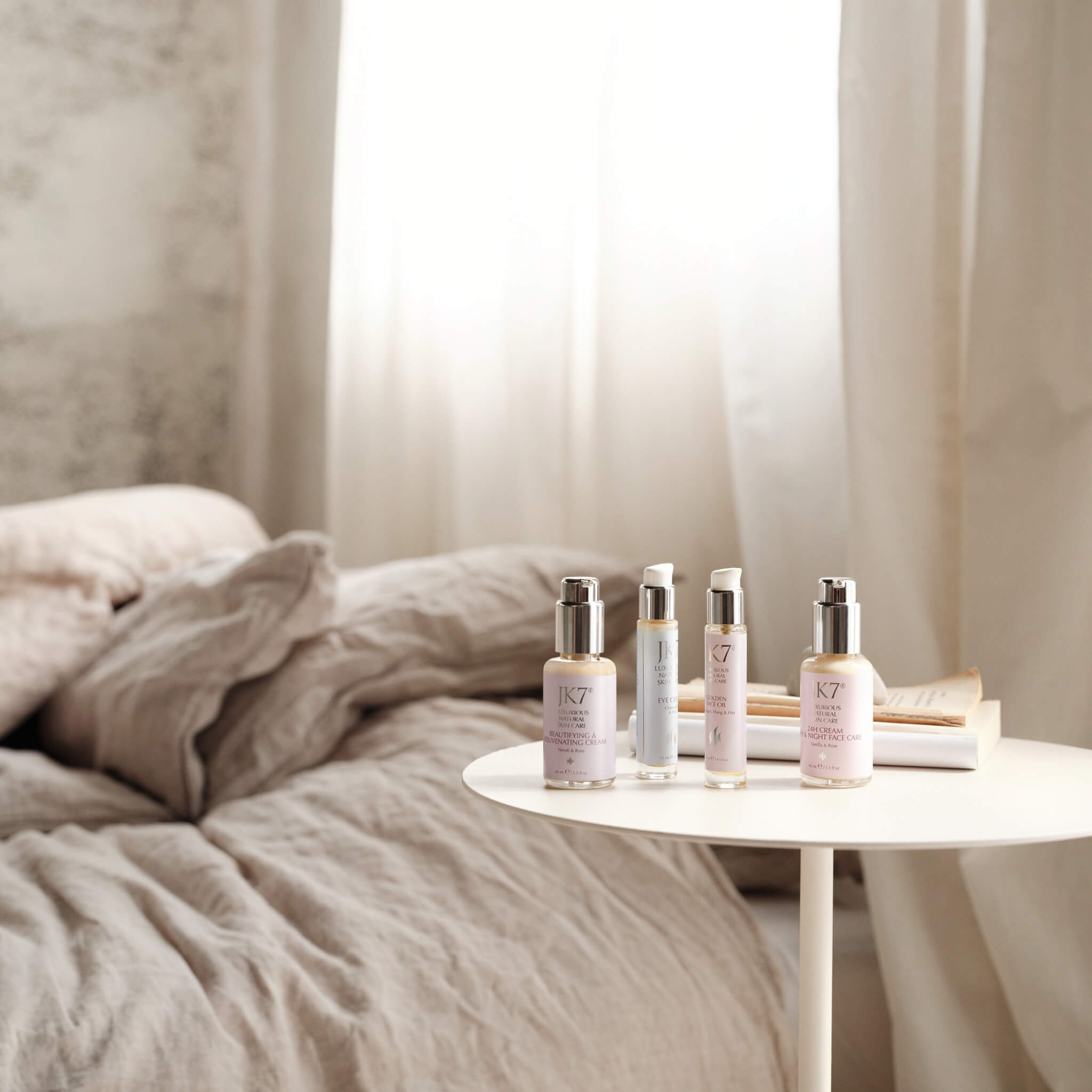
The JK7® 24H Cream – Day & Night Face Care is formulated for this kind of sustained nourishment, with a texture substantial enough to support drier or more demanding skin through both day and night. The Beautifying & Rejuvenating Cream is an alternative for those who prefer a slightly different finish within the same richer texture range.
When Face Oils Can Complement Your Moisturizer
A face oil and a moisturizer serve related but distinct functions. Moisturizers hydrate and fortify the skin barrier, while oils act primarily as occlusives, sealing in moisture and delivering concentrated fatty acids and antioxidants that nourish the skin surface.
Used together, they address different parts of the same goal. The usual order is moisturizer first, oil after, so the moisturizer's water-based ingredients reach the skin directly before the oil creates a sealing layer on top.
Climate and skin condition also influence how much oil feels useful for your skin. For instance, drier weather and environmentally stressed skin tend to respond well to the added occlusion, while balanced skin in humid conditions may find a light application is enough.
The JK7® Golden Face Oil is designed with this kind of layering in mind, concentrated enough to add meaningful nourishment without sitting heavily over a cream or lotion. A few drops pressed into the skin after moisturizing is enough for most skin types, adjusted up or down depending on the season and how the skin feels.
Where Serums Fit Alongside Your Moisturizer
A serum delivers concentrated active ingredients toward a specific skin concern. A moisturizer reinforces the skin barrier, reduces water loss, and keeps skin comfortable. They work in sequence. Serum first on clean skin, moisturizer after to lock in what the serum has delivered. Using both covers what neither does alone.
For a closer look at how to pair the two and build a routine that holds together morning and evening, you can read our article on the natural serum guide.

Choosing Moisture That Supports Healthy Skin Over Time
Natural moisturizers work best when they are part of a routine built around what your skin genuinely needs rather than what trends suggest. That means paying attention, staying consistent, and resisting the urge to overcomplicate. Good skin, more often than not, is the result of doing a few things well over a long period of time.
FAQ
The right moisturizer depends on your skin type. Dry skin and oily skin require different approaches, and so do combination and sensitive skin. Make sure to pay attention to how your skin reacts to understand what truly suits it.
The main difference is the water-to-oil ratio. Lotions contain more water and have a lighter, more fluid texture that absorbs quickly and sits comfortably under makeup. Creams contain a higher concentration of oils and emollients, which gives them a thicker consistency and stronger occlusive effect.
If your moisturizer leaves a greasy film, causes congestion, or feels uncomfortable throughout the day, the formula may be richer than your skin currently needs.
Oils and moisturizers do different jobs. A moisturizer delivers humectants that draw water into the skin and occlusives that hold it there. A face oil works primarily as an emollient and occlusive, nourishing the skin surface and sealing in moisture, but it does not hydrate in the way a water-based moisturizer does. For most skin types, the two work best when used together rather than in place of each other.
Twice daily is the general guideline. Once in the morning after cleansing and once at night before bed. That said, skin needs vary. Dry or environmentally stressed skin may benefit from a slightly richer application in the evening. If your skin feels tight or uncomfortable between applications, it may need a more nourishing formula rather than more frequent use.
Not necessarily, though many people find it useful. A morning moisturizer often needs to sit comfortably and absorb cleanly before makeup, which is why lighter textures tend to work better during the day. At night, the skin is in repair mode, and there is no makeup to consider, so a richer formula is easier to use.
Yes, and for most skin types using both is worth considering. A serum delivers concentrated active ingredients toward a specific concern. A moisturizer reinforces the skin barrier and holds hydration in place. Apply the serum first on clean skin, then follow with your moisturizer to seal in what the serum has delivered.