


Synthetic Skin Care Ingredients to Avoid and How They Affect Long-Term Skin Health
Many skin care products contain synthetic ingredients that may disturb the skin’s natural balance over time. Learn which ingredients to avoid and why natural formulations are better.
The skin is one of the largest organs on our body and possesses a degree of permeability. Compounds applied to the surface can be absorbed into deeper tissue layers and may reach systemic circulation. Because of this, the ingredients list on skin care products matters more than just cosmetic details.
Many conventional formulations rely on synthetic compounds chosen for performance, shelf stability, or cost. With repeated long-term use, some of these substances may disrupt the skin’s microbial balance and barrier function, often gradually enough to go unnoticed at first.
Natural formulations approach this differently. Rather than targeting fast results through the skin's own processes, they aim to support them. This is the philosophy behind JK7®'s approach: supporting the conditions the skin needs to maintain its own health over time.

Why the Ingredients in Your Skin Care Products Matter
The skin is a living organ with two interconnected systems that keep it healthy: the skin barrier, which controls moisture and limits how deeply substances penetrate, and the skin microbiome, the community of microorganisms that regulates pH and supports barrier recovery.
Synthetic ingredients can interfere with both. Harsh surfactants strip the skin's lipid layer faster than it rebuilds. Certain preservatives alter microbial balance with repeated use. Synthetic fragrances are among the most common causes of skin sensitization, often without an obvious immediate reaction.
The concern is not usually a single product but cumulative daily exposure over months and years. Skin that appears fine in the short term may have reduced resilience beneath the surface. Understanding what ingredients do biologically, rather than what a label promises, is what a long-term approach to skin care looks like. Our guide to natural skin care ingredients covers this in more detail.
Synthetic Ingredients Often Found in Skin Care That Can Disrupt Skin Balance
Many commonly used cosmetic ingredients are not selected with skin biology in mind. They are chosen because they extend shelf life, improve product texture, or produce a visible short-term effect. When applied daily over time, these substances can interfere with the skin's natural processes and overall skin health in ways that accumulate gradually and are easy to overlook.
Parabens
Parabens are synthetic preservatives commonly used in skin care and personal care products to prevent microbial growth and extend shelf life. Because they are effective and cost-efficient, they remain widely used in conventional formulations. Common examples include methylparaben, propylparaben, and butylparaben
Research suggests that parabens may interact with estrogen receptors in the body and have been detected in human breast tissue in several studies, prompting researchers to investigate their potential role in long-term hormonal health.
A 2022 peer-reviewed minireview published in the International Journal of Environmental Research and Public Health notes that the evidence warrants further investigation, particularly regarding cumulative exposure from daily use of personal care products.
This is why natural formulations turn to alternative preservation systems, using plant-based antimicrobials, essential oils, and antioxidant-rich botanicals to keep products stable without synthetic additives.
Phtalates
Phthalates are a group of synthetic compounds used in personal care products. Diethyl phthalate (DEP) is the form most commonly found in skin care and fragrance formulations. Because phthalates are not always listed independently on labels and may be present within fragrance blends, they are often difficult for consumers to identify.
Research from peer-reviewed studies and assessments by the US National Institute of Environmental Health Sciences has linked phthalate exposure to disruptions in reproductive hormone regulation, with studies noting adverse effects on hormonal health in both men and women.
Phthalates are classified as endocrine-disrupting chemicals, meaning they may interfere with the body's hormone signaling pathways. Natural formulations avoid phthalates, using plant oils and botanical-based carriers to enhance absorption and texture.
Sulfates
Sodium lauryl sulfate (SLS) and sodium laureth sulfate (SLES) are synthetic surfactants used in cleansers, body washes, and shampoos for their ability to create foam and lift oils from the skin's surface.
SLS in particular raises concerns with repeated use. The skin relies on its natural lipid layer to maintain barrier integrity and regulate moisture, and SLS does not distinguish between oils that belong on the skin and those that do not.
Research published in peer-reviewed cosmetics science journals suggests that repeated SLS exposure can measurably disrupt barrier function, reduce the skin's natural hydration levels, and alter microbiome composition. A 2021 study in Cosmetics demonstrated these effects on human skin.
Natural cleansing formulations can achieve effective cleansing through gentler plant-derived surfactants such as coco glucosides that remove impurities with reduced disruption to the skin barrier, supporting barrier resilience rather than working against it.
Oxybenzone and Chemical UV Filters
Chemical UV filters are synthetic compounds used in sunscreens to absorb ultraviolet radiation before it reaches deeper skin layers. They work through a chemical reaction on the skin rather than a physical one. Common examples include oxybenzone, avobenzone, and octinoxate.
Unlike mineral UV protection, which uses zinc oxide or titanium dioxide to form a physical barrier that sits on the skin's surface, chemical filters are absorbed into the skin to function. This is an important distinction, because absorption means they can enter systemic circulation.
FDA-sponsored clinical research published in JAMA confirmed that several chemical UV filters, including oxybenzone, are detectable in the bloodstream after a single application at concentrations that exceed the FDA's own threshold for waiving further safety studies.
A 2025 comprehensive review of research from 2014 to 2024 found associations between chemical UV filter exposure and hormonal changes in human populations, with the authors calling for further investigation. Some regions have already moved toward regulation: Hawaii banned oxybenzone-containing sunscreens in 2021 after the ingredient was linked to documented harm to coral reef ecosystems.
Plastic-Based Ingredients and Instant Effect Polymers
Some skin care products use synthetic polymers such as polyacrylamide and acrylate copolymers to create an immediate tightening or smoothing effect on the skin. The result feels impressive on first use, but it is a surface-level film rather than any change in the skin itself. The underlying skin condition stays the same.
Additionally, polyacrylamide contains residual amounts of acrylamide monomer, a substance the US National Toxicology Program classifies as reasonably anticipated to be a human carcinogen. Research has also indicated that acrylamide can be absorbed through the skin. More details on this are available from the Campaign for Safe Cosmetics and a study published in Food and Chemical Toxicology.
Synthetic Fragrances
A single "fragrance" entry on an ingredient list can represent a blend of dozens of individual chemical compounds. Many of these are low-molecular-weight substances that can penetrate the skin and trigger an immune response.
Fragrances are among the most reported contact allergens in cosmetics, with sensitization rates documented across both general and clinical populations. For skin that is already sensitive or has a compromised barrier, repeated exposure can make it progressively more reactive over time.
Natural skin care uses botanical oils and plant-derived aromatics in place of synthetic fragrance blends, meaning any scent comes from identified ingredients rather than an undisclosed mixture.
JK7® formulations follow this approach, using essential oils and botanical extracts so the origin of every ingredient, including its scent, is transparent.
Other Synthetic Additives Worth Understanding in Skin Care
Parabens, phthalates, sulfates, synthetic fragrance, and oxybenzone are among the most scrutinised synthetic ingredients in skincare, but they represent only a portion of what conventional formulations regularly contain.
Others that appear frequently and merit attention include triclosan, toluene, formaldehyde-releasing preservatives, diethanolamine, lead (typically present as a contaminant rather than an intentional addition), and certain grades of talc.
Their primary role is functional, such as stabilising formulas, extending shelf life, and improving texture, yet many carry documented risks, from hormone disruption to sensitisation, that compound with repeated daily exposure.
Reading labels carefully is a useful starting point. Ingredients are listed in descending order of concentration, which helps distinguish between a formula built around active, skin-supportive compounds and one that leads with fillers and preservatives.
A Natural Approach: How JK7® Formulations Avoid Harsh Synthetic Ingredients
JK7®'s natural skin care approach uses formulations developed by Dr. Jurgen Klein, replacing synthetic preservatives, fragrances, and fillers with botanical ingredients that work with the skin's natural biology.
Every product uses plant-based preservation, pure essential oils, and spagyric extracts, a method that concentrates the full spectrum of a plant's active compounds rather than isolating synthetic equivalents.
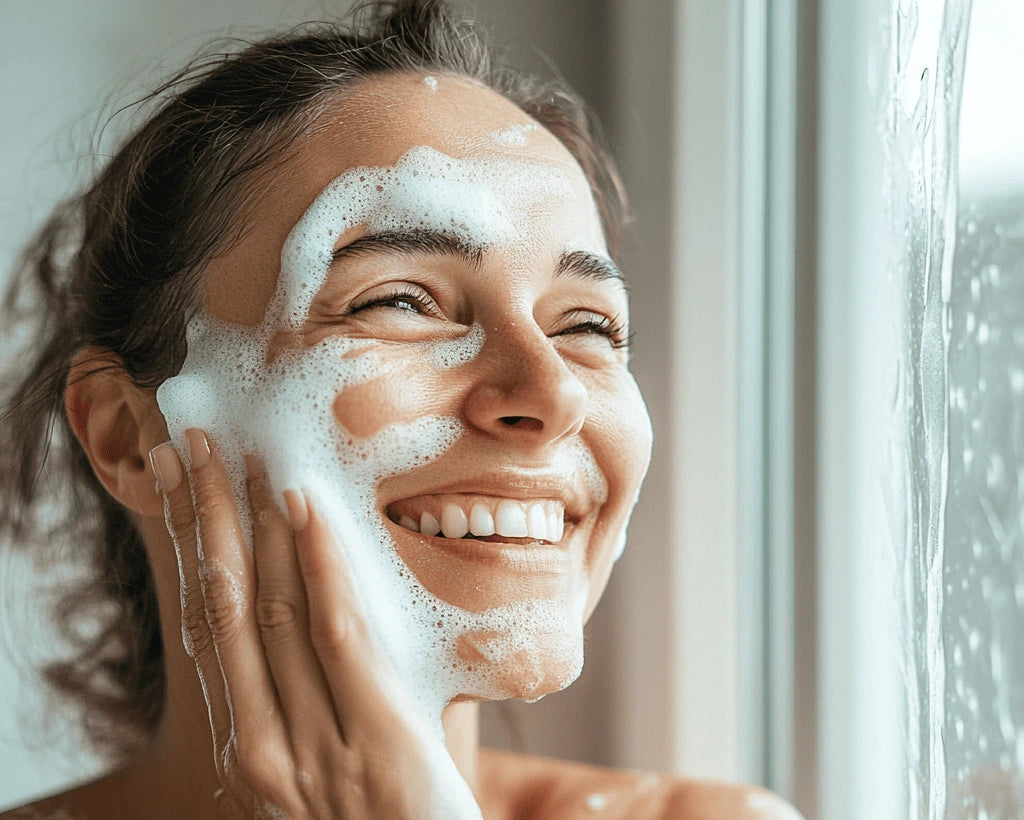
Gentle Cleansing Without Harsh Foaming Agents
Conventional cleansers often rely on sulfates to produce a rich lather, but that foam comes at a cost to the skin's lipid layer. The JK7® Foaming Face Wash uses plant-derived cleansing agents that remove impurities without stripping the skin of its natural oils, leaving the barrier intact after each wash.

Detoxifying the Skin With Natural Minerals and Clay
Natural clays draw out impurities through adsorption, binding to excess sebum and environmental residue without the need for synthetic chelating agents or chemical exfoliants. The JK7® Detox Face Mask uses mineral-rich clays alongside botanical extracts to purify and rebalance the skin without disrupting its surface environment.
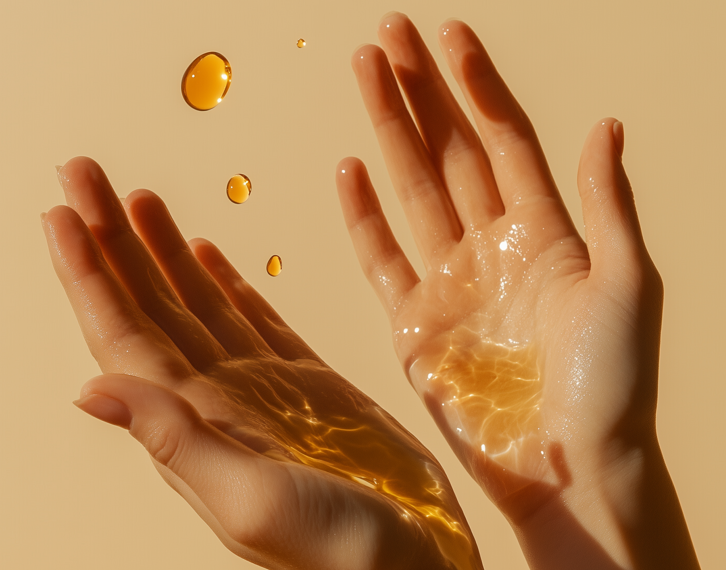
Nourishing the Skin With Botanical Oils and Extracts
Plant oils provide fatty acids, antioxidants, and fat-soluble vitamins in forms that the skin absorbs readily. Unlike silicones, which sit on the surface and create the appearance of smoothness, botanical oils contribute to actual barrier function and moisture retention over time. The JK7® Golden Face Oil combines cold-pressed plant oils with spagyric extracts to support skin resilience at a structural level.
Choosing Skin Care Ingredients That Support Long-Term Skin Health
The skin responds to skin care over months and years, not weeks. What you apply daily becomes part of the environment your skin lives in, and that environment either works with your skin or quietly against it. A practical place to start: ingredients are listed in descending order of concentration, so the first few entries are where it counts most.
Formulations built around botanical extracts, plant oils, and natural preservation systems tend to work with the skin's chemistry rather than override it. Fewer, well-chosen ingredients with a clear biological purpose will do more for your skin long-term than a crowded list of substances selected for texture or shelf appeal.
Discover our natural skin care collection to see what that looks like in practice.
FAQ
Synthetic substances are widely used in conventional formulations because they are cost-effective and technically reliable. Synthetic preservatives extend shelf life. Silicones improve spreadability and give products a smooth, silky feel.
Synthetic fragrances are consistent and cheap to produce at scale. Some of these ingredients do offer functional benefits, but they are primarily selected for performance and consistency rather than direct skin health benefits.
Not all synthetic ingredients carry the same level of concern, and a single exposure to most is unlikely to cause a noticeable reaction. The more relevant question is what repeated daily contact does over time.
Some synthetic substances have been associated with skin barrier disruption, microbiome imbalance, or sensitization when used consistently, particularly those with strong surfactant action or known allergen potential. The cumulative effect of multiple products used together, each containing several synthetic additives, is also worth considering.
The INCI ingredient list on every product is the most reliable place to look. A few patterns make common synthetic additives easier to spot. Names ending in -paraben are synthetic preservatives, the -cone or -siloxane suffix identifies silicones, PEG- followed by a number indicates polyethylene glycol compounds, and sodium lauryl sulfate or sodium laureth sulfate are synthetic surfactants. Reading labels gets easier with practice.
Synthetic preservatives such as parabens are chemically manufactured compounds that prevent microbial growth by disrupting cellular function, interfering with membrane transport, mitochondrial activity, and DNA synthesis in microorganisms.
Natural preservation systems take a different approach, combining ingredients that serve overlapping but distinct roles: certain essential oils contribute antimicrobial properties, while vitamin E (tocopherol) and rosemary extract act as antioxidants that protect oil-phase ingredients from oxidative rancidity. Together, these components address both microbial and oxidative stability without synthetic additives.